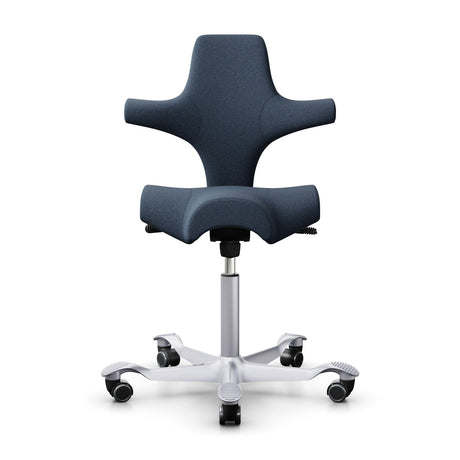
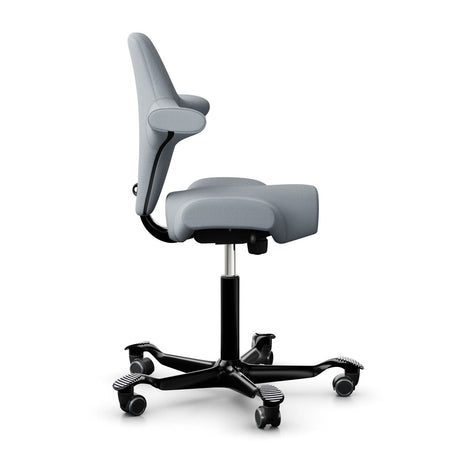
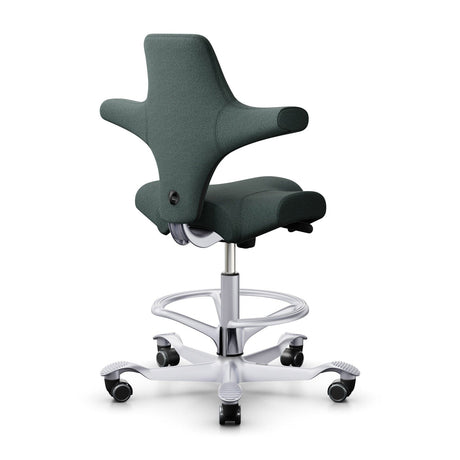
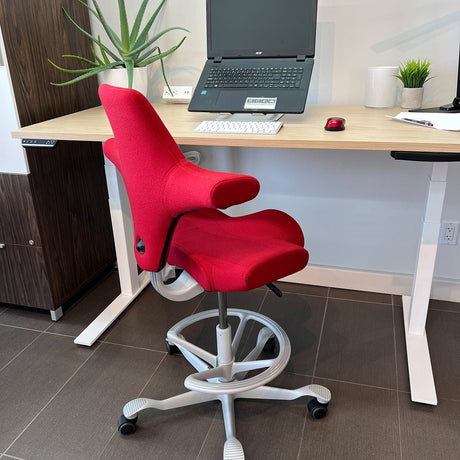
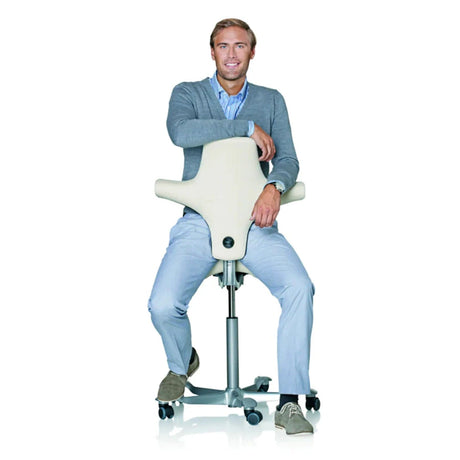
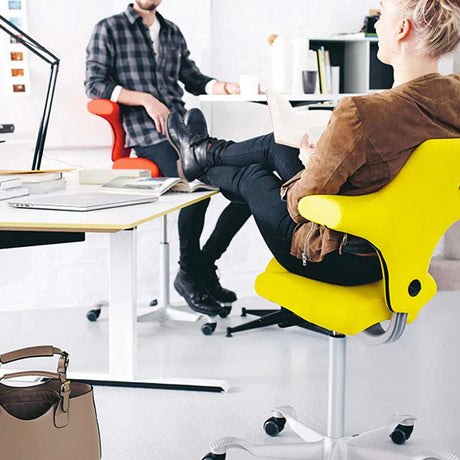
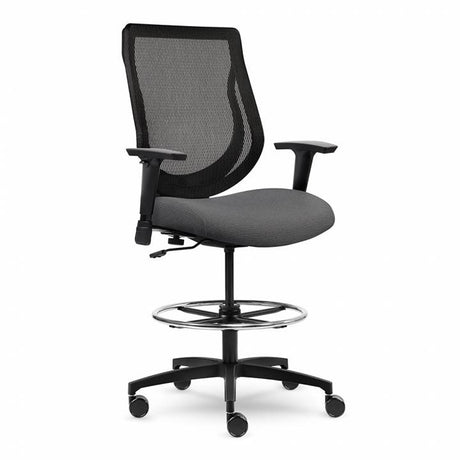
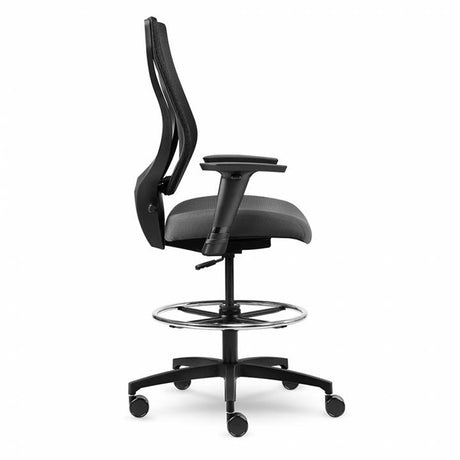
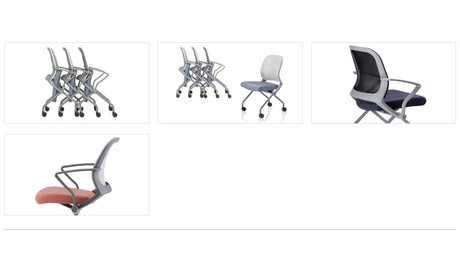
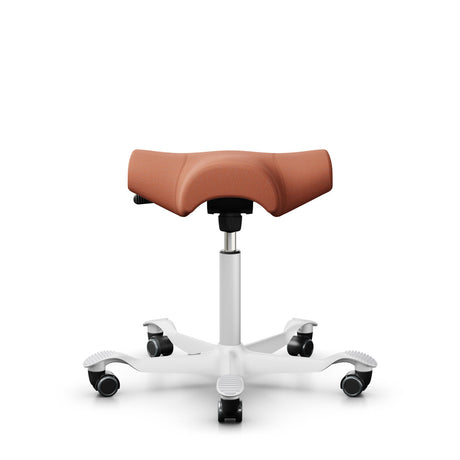
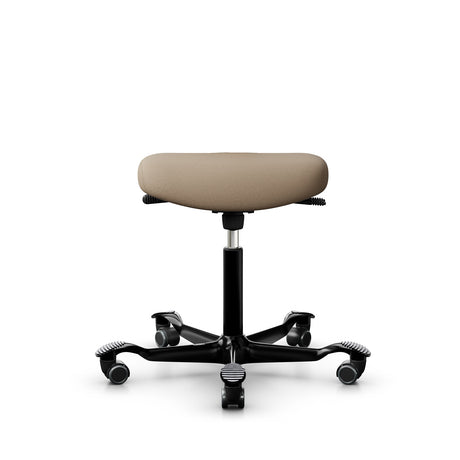
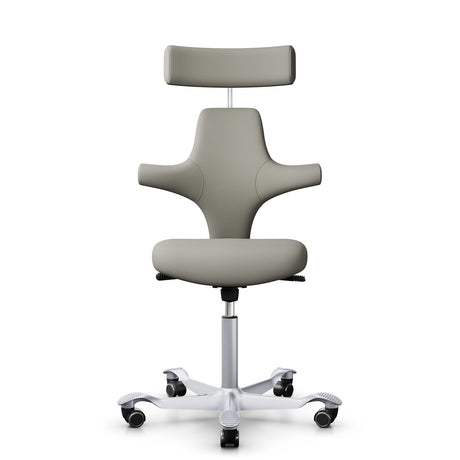
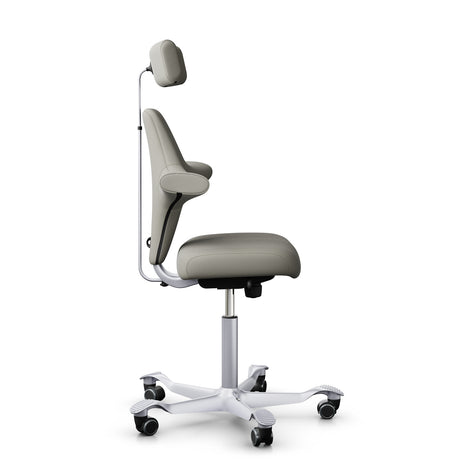
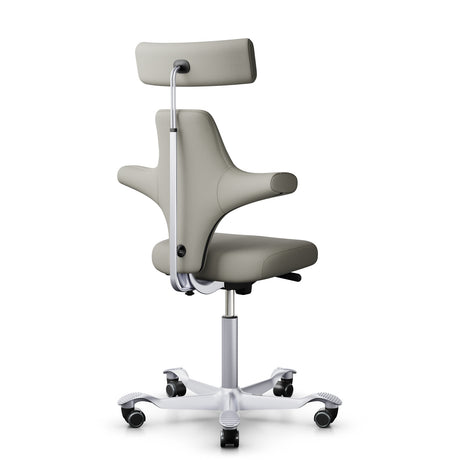
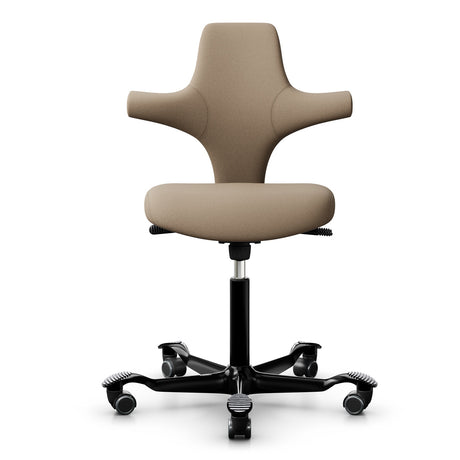
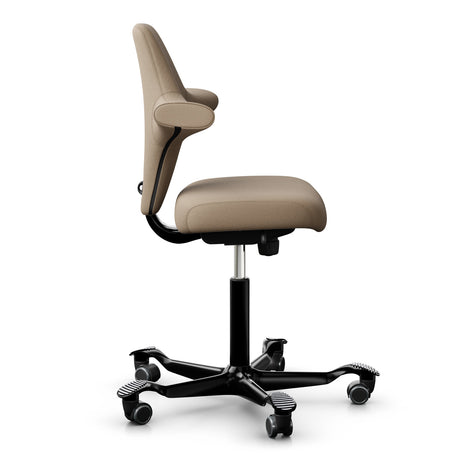
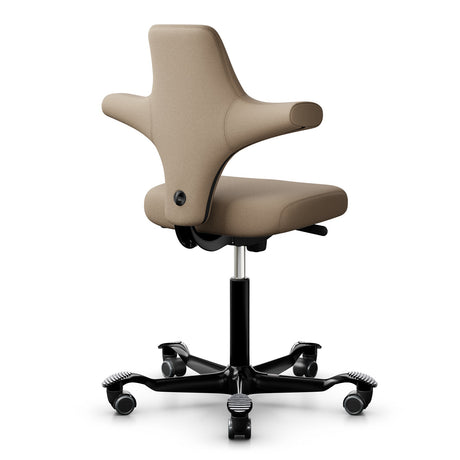
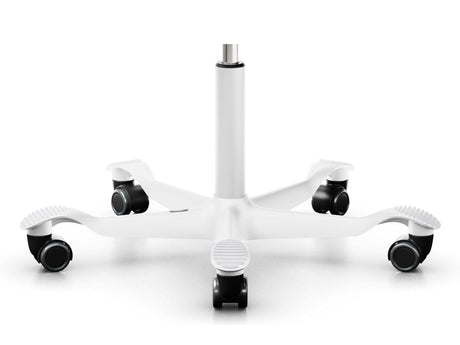
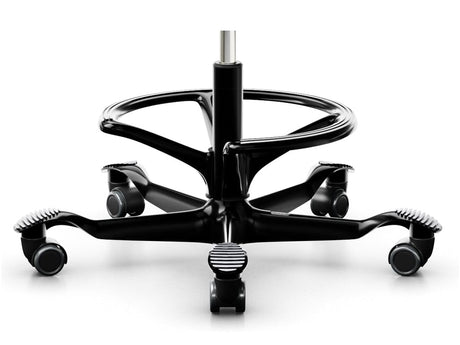
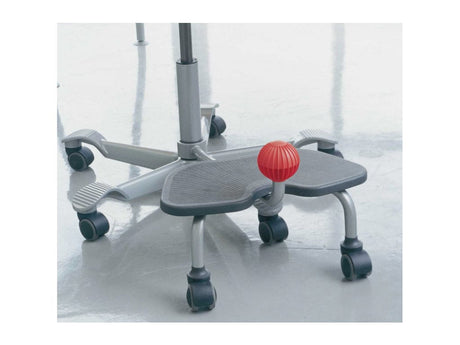
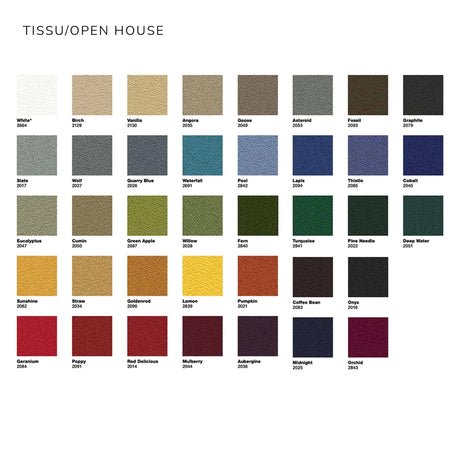
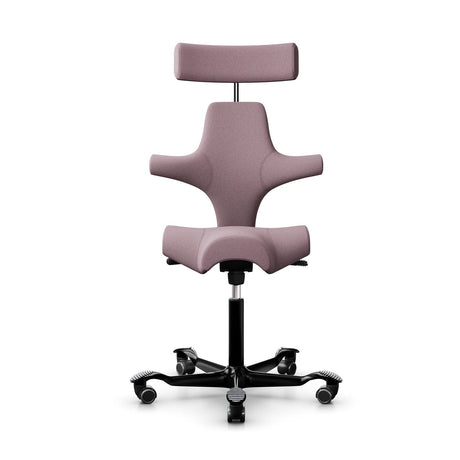
The ergonomic stool is designed for those who want to combine mobility and postural support in their daily work. Whether you work from home or in a dynamic professional environment, this type of seating promotes healthy posture, improves concentration, and prevents muscle pain. At Solutions M3, we offer customized solutions so that every moment spent sitting is synonymous with well-being and efficiency.
Key Takeaways
- Postural Support: Ergonomic stools promote active sitting that strengthens core muscles and maintains proper spinal alignment
- Height Versatility: Adjustable models adapt to various work surfaces, from standard desks to sit-stand workstations
- Enhanced Mobility: Swivel bases and compact designs allow easy movement and repositioning throughout the workday
- Health Benefits: Reduces back pain, improves circulation, and prevents tension caused by prolonged static sitting
- Workspace Integration: Complements modern office furniture including height-adjustable desks and standing workstations
Why Use an Ergonomic Stool?
Like any office furniture or accessory, an office stool plays a key role in maintaining good sitting posture. It's essential to have comfortable seating adapted to your body type to prevent potential tension and discomfort.
Choosing an ergonomic stool is just as important as selecting your work desk or basic equipment. The benefits for employee health and well-being are undeniable. Freed from tension caused by poor office posture, employees become immediately more efficient and productive.
An office stool encourages what ergonomic experts call "active sitting"—a dynamic posture that keeps your body engaged rather than slumped. This subtle movement throughout the day helps maintain muscle tone and keeps blood circulating effectively, reducing the fatigue associated with static seated positions.
What Are the Different Types of Ergonomic Stools?
There isn't just one solution, but rather several possible configurations depending on your space, habits, and desired level of mobility. From dynamic posture to more stable seating, each model responds to a specific ergonomic need, whether at work or home.
Ergonomic Stools
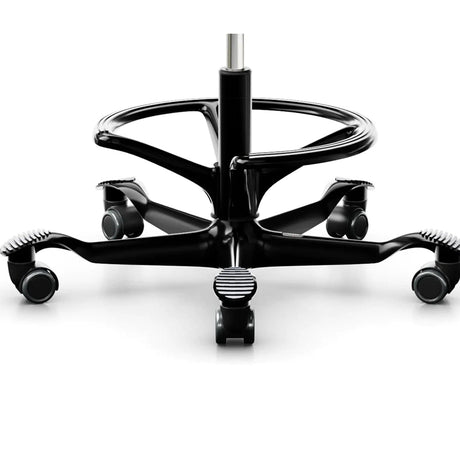
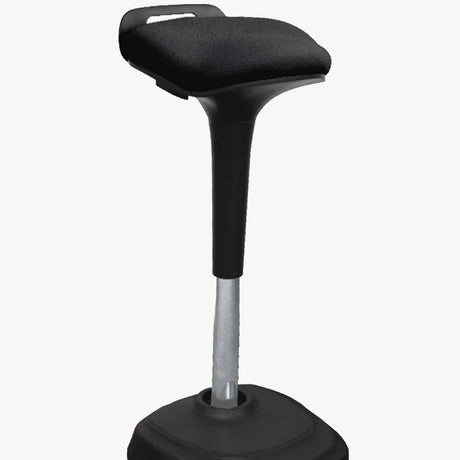
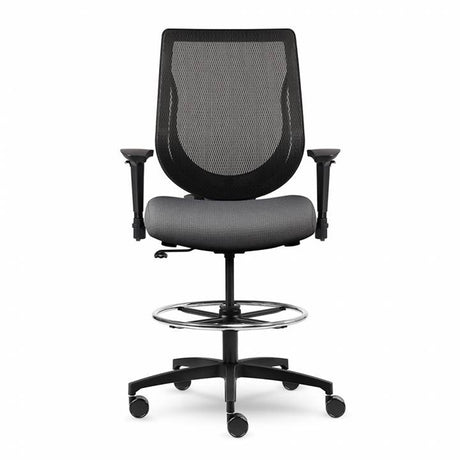
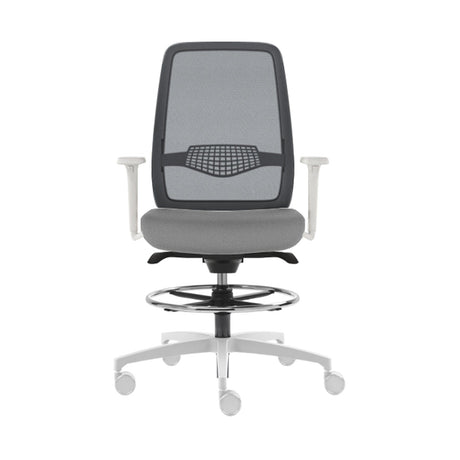
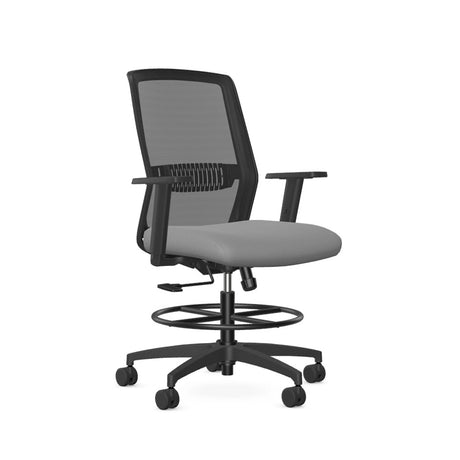
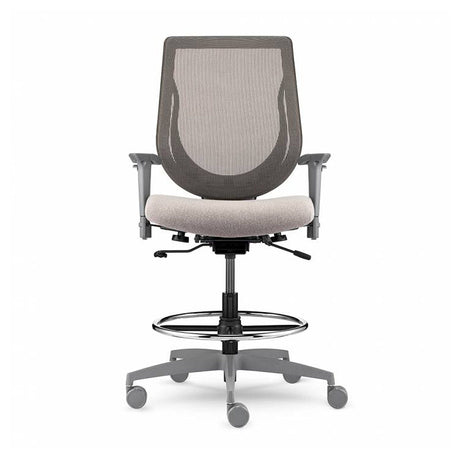
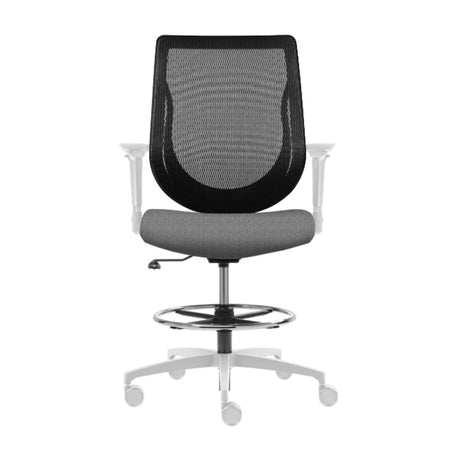
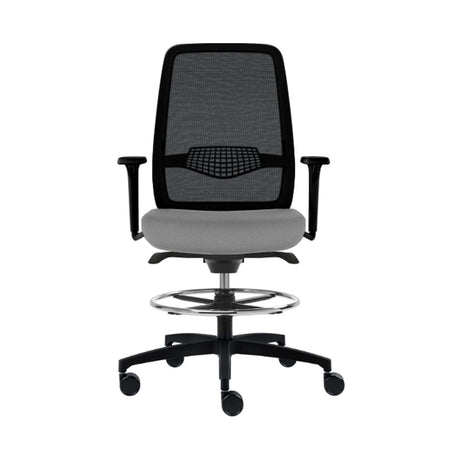
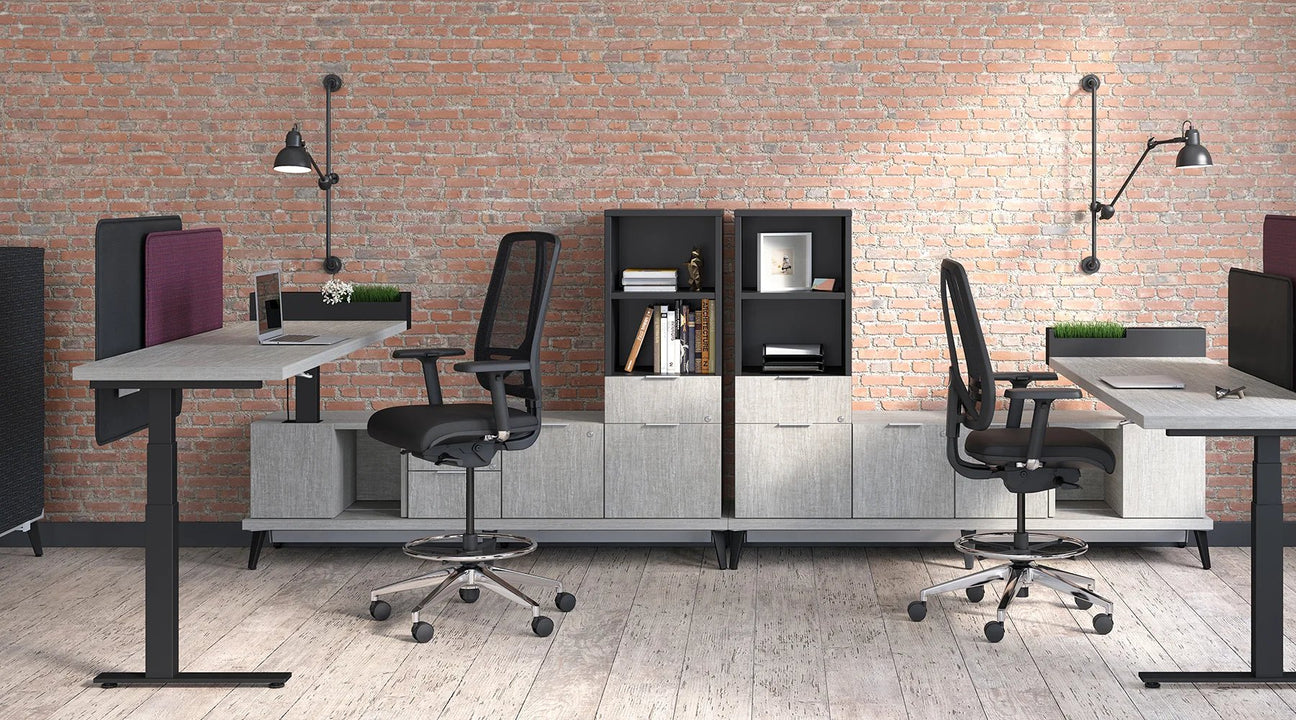
From the lowest to the highest models, their adjustable seat height allows adaptation to all body types and each type of workstation. This level of adjustment is particularly useful for accompanying a height-adjustable desk, especially in a dynamic environment. Combined with a robust and intuitive mechanism, ergonomic stools, including sit-stand models, offer great freedom of movement while supporting stability.
A quality sit stand stool seamlessly transitions between sitting and perching positions, providing the perfect intermediate option when you want relief from standing but don't want to fully commit to traditional seated posture.
Adjustable Seats
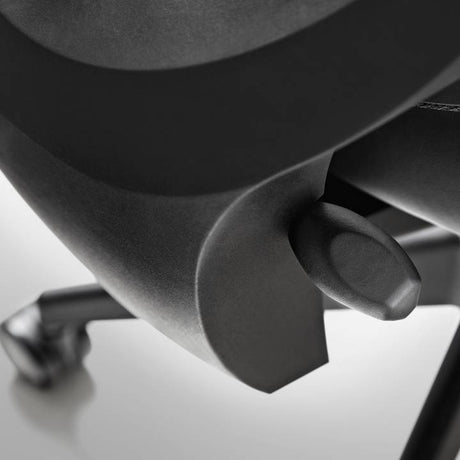
There are numerous options for adjustable chairs and stools, whether in seat height, tilt, or lateral movement. Some models integrate advanced features, such as an adjustable tilting mechanism, armrests, or adjustable backrests for customized comfort. Also discover our complete range of ergonomic office chairs designed to meet the varied needs of professional environments.
The distinction between an office stool and a traditional chair often comes down to mobility and posture philosophy. While chairs encourage supported relaxation, stools promote engaged sitting that keeps your body active and aligned.
Specialized Stool Designs
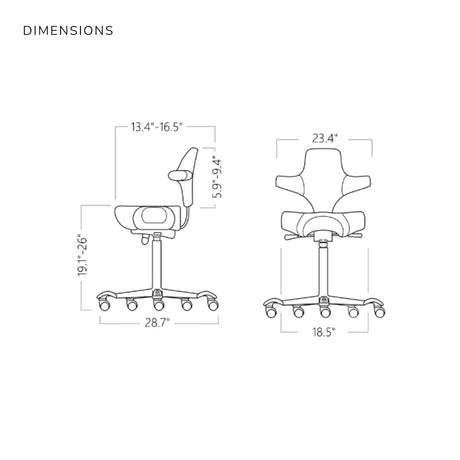
Saddle Stools: These unique designs position your thighs at a downward angle, naturally aligning your spine and opening your hip angle. Ideal for tasks requiring forward lean, such as dental work or detailed craftsmanship.
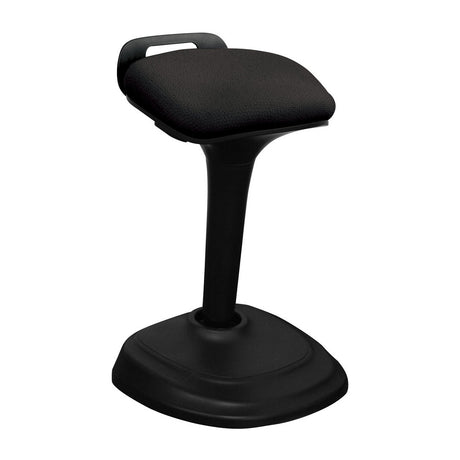
Wobble Stools: Feature a rounded or curved base that requires constant micro-adjustments to maintain balance. This active sitting strengthens core muscles and keeps you engaged throughout the day.
Sit Stand Stools: Also known as leaning chairs or perch stools, these provide a supported semi-standing position that reduces leg fatigue during standing work while maintaining better posture than full sitting.
How to Integrate a Stool into Your Office Spaces?
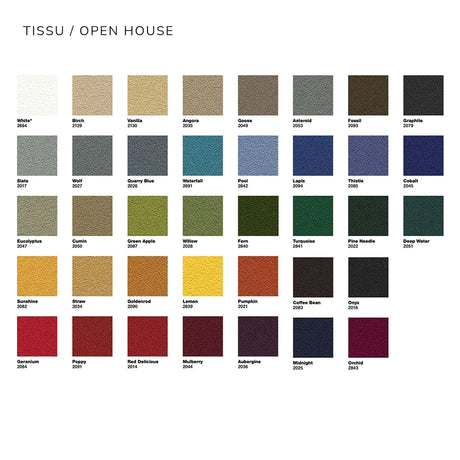
Creating a comfortable work environment is essential, regardless of your activity and the nature of your business. This allows employees to enjoy an adapted space that boosts productivity, creativity, and team cohesion. As for style (modern, colorful, minimalist, or contemporary), choose from a wide variety of options to create a unique atmosphere.
Choosing the Right and Stylish Stool
It's necessary to consider your habits, posture, and uses. Additionally, it's important to take into account your physical condition and any tension you might have to best adapt your choice.
Here's a list of points to consider to better understand your habits and choose an effective product:
- Observe how you sit and identify any postural issues, such as hunched back, rounded shoulders, or tilted neck
- Consider the tasks you perform regularly and whether they require reaching, leaning, or frequent position changes
- Think about recurring movements you make throughout the day. If you need to get up frequently or bend to grab objects, a sit stand stool might be ideal
- Assess your work surface height and ensure your chosen office stool can adjust to the proper ergonomic height
- Evaluate your workspace mobility needs and whether you require swivel capability or static stability
Adapting Your Entire Office Furniture
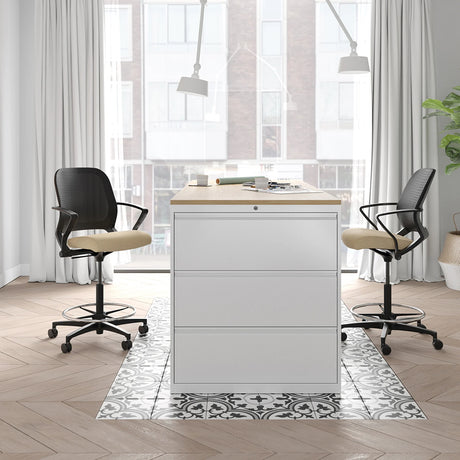
For a cohesive and functional space, it's essential to harmonize the different elements of your layout. Integrating an adjustable stool proves more natural alongside a height-adjustable table or sit-stand workstation than with classic, inflexible furniture.
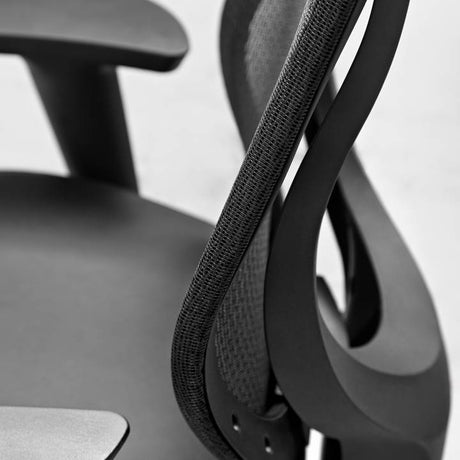
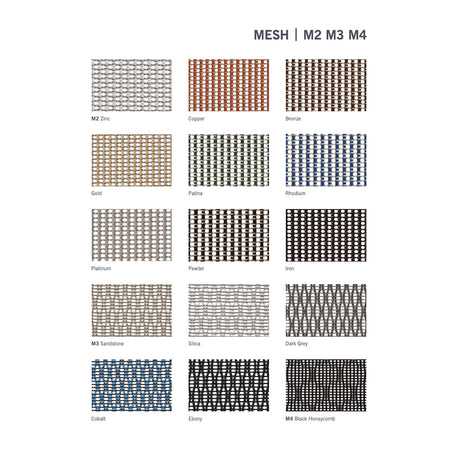
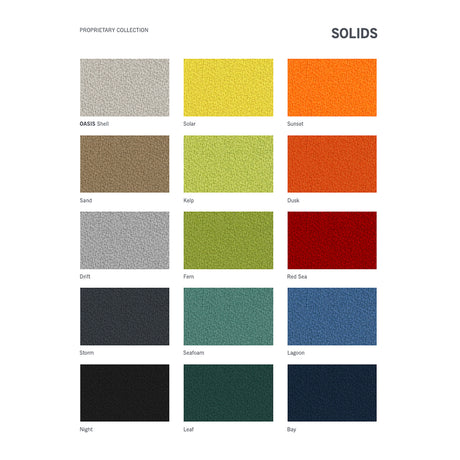
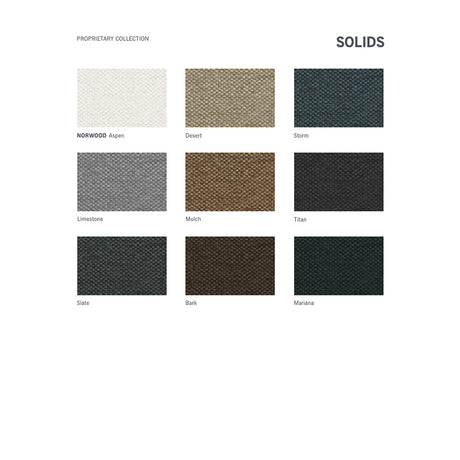
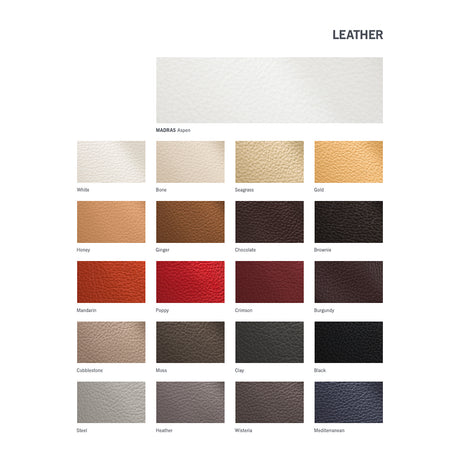
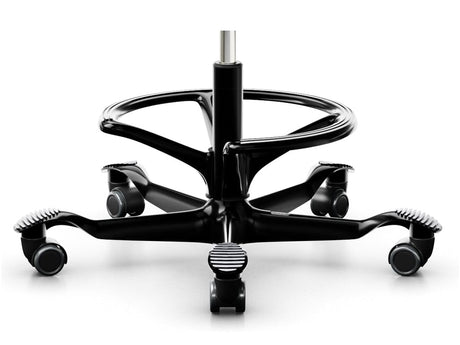
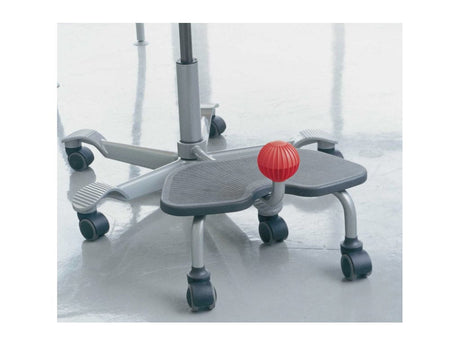
Materials also play a role in comfort: prioritize a model with breathable fabric covering and quality foam for lasting support. It's also recommended to complete your installation with appropriate accessories like a footrest, monitor stand, or anti-fatigue mat to maximize comfort and prevent physical tension.
The synergy between your ergonomic stool and other workspace elements creates an environment that actively supports your health rather than passively accommodating poor posture habits.
Positioning and Usage Tips
Proper Height Adjustment: When seated on your office stool, your feet should rest flat on the floor or footrest, with thighs parallel to the ground or angled slightly downward. Your arms should form a 90-degree angle when typing.
Transition Gradually: If you're new to active sitting with a sit stand stool, start with shorter periods and gradually increase duration as your core muscles adapt. Alternating between your stool and other seating options throughout the day is perfectly acceptable.
Movement is Key: The beauty of an ergonomic stool is the freedom it provides. Don't fight the natural tendency to shift and adjust—this micro-movement is exactly what keeps your body engaged and healthy.
Surrounding Yourself with Professionals
At Solutions M3, our team of office furniture specialists offers furniture adapted to each person and each business. In our showroom, you can test our products to find the ideal seating for you. We're here to advise you and answer your questions to help you make the right choice.
Our experienced consultants understand that selecting an office stool isn't just about features and adjustments—it's about finding the solution that integrates seamlessly into your work habits and supports your long-term health goals. We take the time to understand your specific needs, workspace configuration, and physical considerations to recommend the perfect match.
Frequently Asked Questions About Ergonomic Stools
What's the difference between an ergonomic stool and a regular office chair?
An ergonomic stool typically has no backrest or a minimal one, promoting active sitting that engages your core muscles. Regular office chairs provide full back support and encourage more relaxed posture. Stools are ideal for tasks requiring mobility and forward reach, while chairs suit extended computer work requiring back support.
Can I use a sit-stand stool with a regular desk?
Yes, but a sit stand stool works best with height-adjustable furniture. For standard desks (typically 28-30" high), you'll need a stool that adjusts to appropriate height. However, the full benefits of a sit-stand stool are realized when paired with adjustable-height desks that allow you to alternate between sitting and standing throughout the day.
How long should I sit on an ergonomic stool at a time?
Start with 30-60 minute intervals if you're new to active sitting, gradually increasing as your core strength develops. Most users find alternating between their office stool and other seating options every 1-2 hours prevents fatigue while maintaining the ergonomic benefits. Listen to your body and adjust accordingly.
Are ergonomic stools suitable for people with back problems?
Many people with back issues find relief with ergonomic stools because they promote better posture and core engagement. However, individual needs vary. If you have existing back problems, consult with a healthcare professional before switching to an office stool, and consider models with minimal back support for transition periods.
What seat height range should I look for?
Look for an ergonomic stool with a height range of approximately 18-30 inches to accommodate various desk heights and body types. Pneumatic height adjustment is most convenient, allowing quick changes throughout the day. Ensure the range covers both your standard desk height and any elevated work surfaces you use.
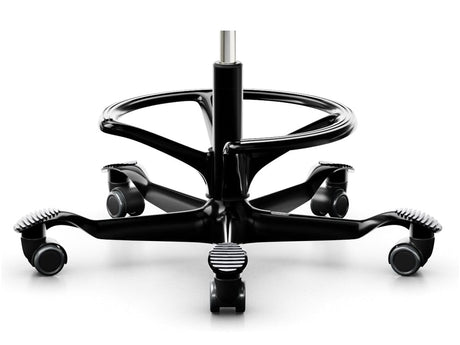
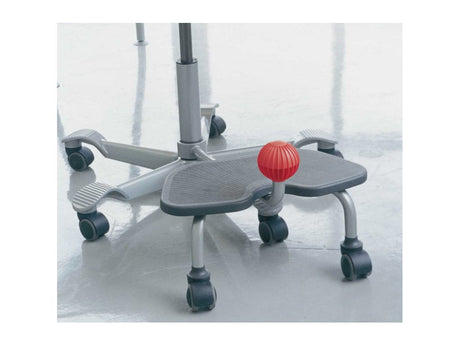
Do I need a footrest with my ergonomic stool?
A footrest is beneficial if your stool height positions your feet above the floor or if you're using a sit stand stool at elevated heights. It provides support that reduces leg strain and improves circulation. Many people find a footrest essential for comfort during extended periods on their office stool.
How do I maintain my ergonomic stool?
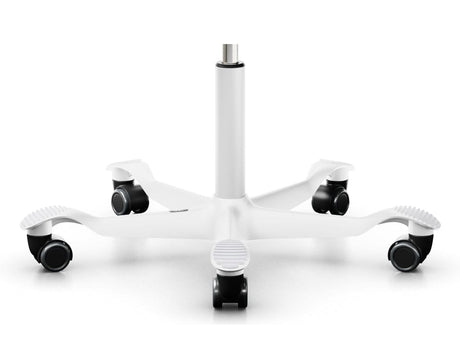
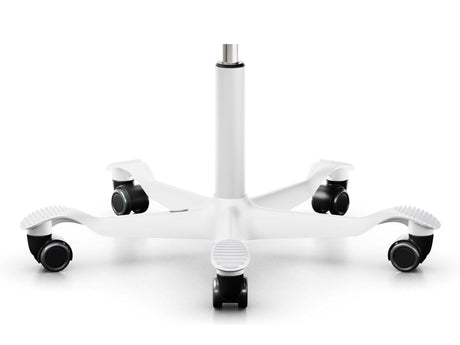
Regular maintenance includes checking the height adjustment mechanism monthly, cleaning the seat covering according to manufacturer instructions, and ensuring the base and casters (if applicable) remain secure. Most quality stools require minimal maintenance but benefit from periodic inspection to ensure all components function smoothly.
Can ergonomic stools help with productivity?
Yes! Studies show that proper ergonomic seating, including active sitting on an office stool, reduces discomfort and fatigue, leading to better focus and sustained productivity. The improved posture and circulation provided by a sit stand stool can help maintain energy levels throughout the workday, reducing the afternoon slump many office workers experience.

 Request for quotation